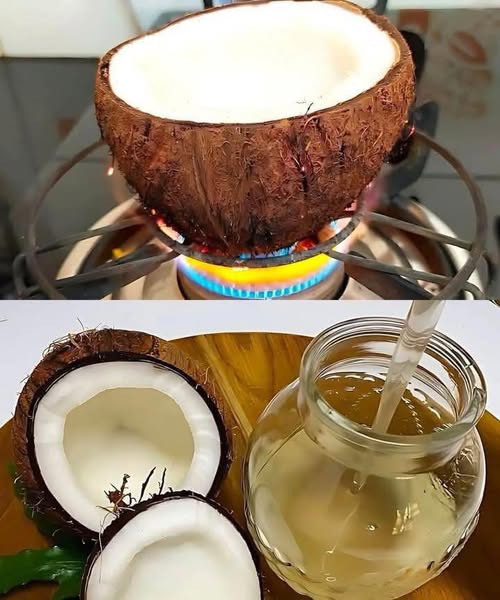
Picture yourself in a rustic kitchen, where the sweet scent of fresh coconut fills the air. Extracting your own coconut oil is a bit like going back to basics: using what nature provides, without artifice. Industrial coconut oil, even high-quality coconut oil, can lose some of its essential nutrients during preservation processes. Conversely, homemade oil retains all its richness: vitamins, beneficial fatty acids, and that sweet aroma that immediately evokes tropical islands.
Two main methods: between tradition and modernity
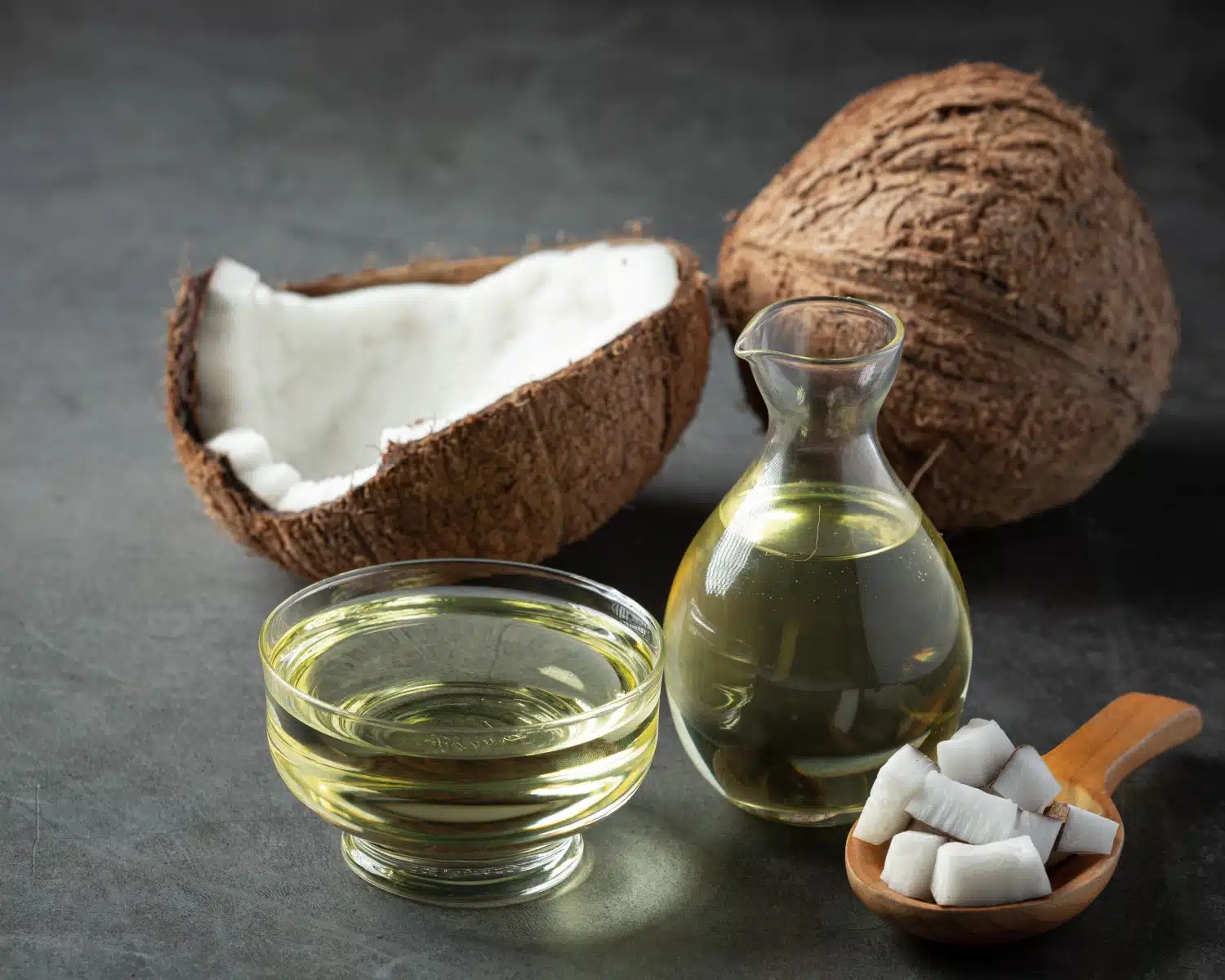
There are two main ways to produce coconut oil:
- Cold pressing : the oil is extracted without heating the coconut flesh, which preserves its properties as much as possible. The oil is then pure white, lightly perfumed, and retains a sweet and authentic taste. Like an unfiltered wine that retains all the character of its terroir.
- Thermal extraction : Here, the flesh is heated to facilitate oil separation. It’s faster, but at the cost of some nutritional losses and a less pronounced flavor. It’s like choosing a garden tomato over a commercially canned one.
Grandma’s trick for easily extracting coconut oil
No need for complicated equipment! Here’s a simple method that’s proven to work:
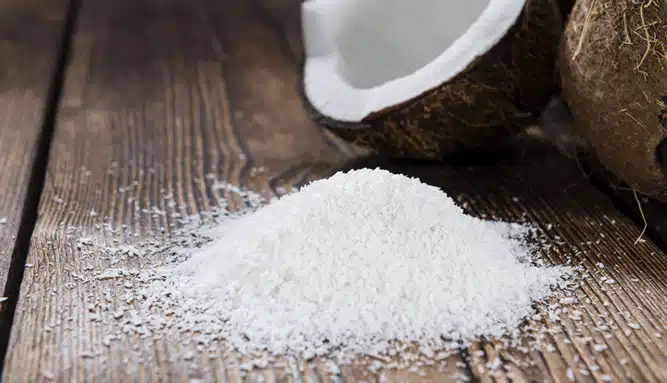
- Grate the fresh coconut flesh (or use organic, additive-free grated coconut , available in specialty stores).
- Add lukewarm water ( about 300 ml for 150 g of coconut) and mix to obtain a smooth purée.
- Strain the mixture through a fine cloth or cheesecloth , pressing well to collect all the coconut “milk”.
- Let this milk sit in a covered bowl at room temperature for 24 hours .
- Separate the oil that naturally forms on the surface. You can also place the bowl in the refrigerator to speed up the separation.
- Carefully collect the oil and store it in an airtight jar , away from light.
A process as comforting as making your own homemade bread , and with the satisfaction of mastering what you put on your skin or incorporate into your dishes.
Continue on the next page